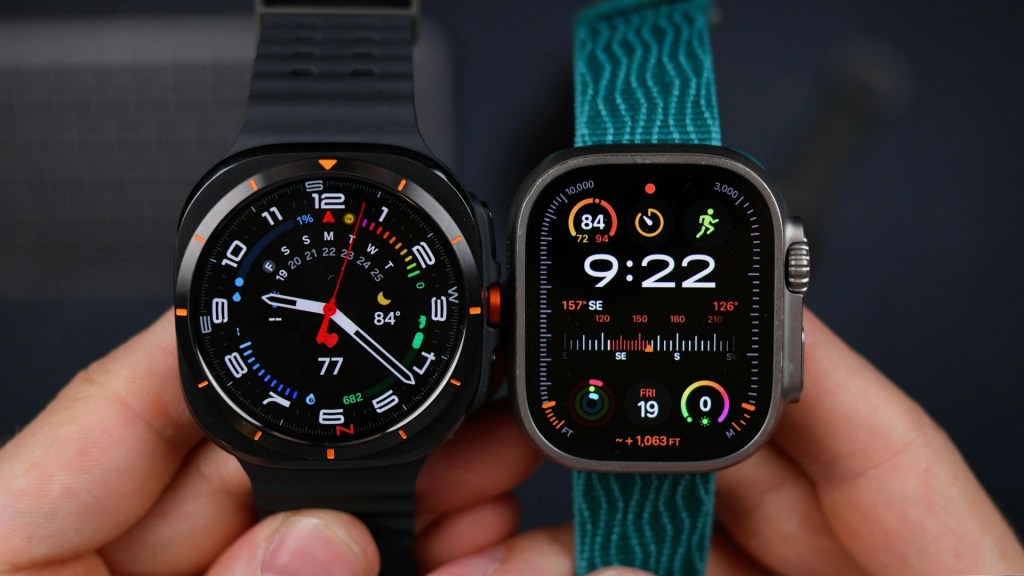
Apple’s new Health Sensing System just made one change so drastic it almost got buried under the AI headlines. Heart rate readings are now taken every five seconds, all day long. That’s 60 times more often than the Apple Watch Series 11 managed, and it’s the kind of detail that should have been the headline on its own.
The Apple Watch Series 12 and Apple Watch Ultra 4 became official on September 9 at Apple’s “Surprise and Shine” event, arriving alongside the iPhone 18 Pro lineup and a new foldable iPhone. Both watches look nearly identical to last year’s models from the outside. Inside, though, is where the real story lives.
Apple Watch Health Sensing Now Runs All Day
The headline feature on both watches is the redesigned Health Sensing System, and it’s a genuinely bigger jump than the usual yearly refresh delivers. New optical and electrical heart sensors take readings every five seconds throughout the day, not just during workouts or sleep, and heart rate variability now gets measured as often as every five minutes.
Apple is calling it the most accurate heart rate sensor it has ever shipped in a wearable. I’ve been following Apple Watch health claims for years, and honestly, “most accurate ever” gets thrown around a lot, so I’ll believe the swimming and high-intensity numbers once independent testing backs them up.
What’s interesting is that this sensor upgrade applies equally to both watches. The Ultra 4 gets the exact same system as the Series 12, a larger sensor contact area, and all, which is a bit unusual since Apple usually holds something back for the flagship rugged model. Sources suggest this parity is deliberate, since Apple wants one consistent health baseline across the whole lineup instead of a tiered experience between models.
Readiness Arrives on the Apple Watch With a New Health Age Score
Apple is also introducing Readiness, a feature that pulls from your activity, vital signs, and sleep data to tell you whether your body can handle a hard workout or needs a rest day. It works a lot like the recovery scores you’d find on an Oura ring or a Whoop band, and it’s clearly aimed at pulling users back into Apple’s own ecosystem. The redesigned health app also introduces a health age metric, combining watch data like VO2 max and sleep quality with blood test biomarkers to estimate how your body is actually aging compared to your birth certificate.
Here’s the part that most articles missed. Readiness is tied directly to the new S11 chip, so Apple Watch Ultra 3 owners will not get it through the watchOS 27 update, even though their hardware is barely a year old. That’s a significant line Apple just drew. Industry insiders hint that a wrist-based blood pressure monitor is next on the roadmap, based on reporting from Bloomberg’s Mark Gurman, so readiness may just be the opening chapter of a much longer health push.
Audio Intelligence Splits Opinion Already
The most talked about addition is audio intelligence, and it’s already generating real debate. Live Rewind records and transcribes recent conversations and activity from your day, while Siri Recap uses ambient listening to build high-level notes from meetings or, as Apple puts it, parent-teacher conferences. There’s a new Siri Modular watch face built specifically to surface these recaps at a glance. When I first heard about this, I didn’t think much of it, but after digging into how it actually works, I changed my mind pretty quickly. Always on ambient listening is a much bigger deal than a simple notes feature.
And that’s exactly the reaction showing up in early community discussion. Some commenters are genuinely excited about never having to ask people to repeat themselves. Others are calling it dystopian, worried that anyone wearing one of these watches is now walking around with a built in transcript machine strapped to their wrist. This is one of those things I genuinely got excited about the moment I saw the meeting notes use case, but the privacy questions don’t disappear just because a feature is convenient.
Design, the S11 Chip, and What Didn’t Make It
The new S11 chip powers both watches and reportedly borrows performance characteristics from the A20 Pro chip inside the iPhone 18 Pro. Expect snappier app launches and better efficiency for all that new always-on sensing. Ceramic returns as a case option on the Series 12, in pearl white and night blue, sitting above titanium at the top of the lineup. It’s a finish Apple hasn’t offered since the Apple Watch Series 5. Having watched Apple’s material choices for years, this felt like a genuinely welcome return rather than a gimmick.
What most people won’t notice right away is that this is the third straight year the Series 12 has used the same basic case Apple introduced with the Series 10 back in 2024. If the current trajectory holds, it looks like 2027 will bring a proper redesign, since Apple’s chassis designs typically last three generations before a real overhaul.
Touch ID was rumored for months, with leaked code even hinting it might finally arrive, but it did not make the cut on either model this year. Sources suggest it could still land in a future generation, given how often the references keep resurfacing in Apple’s code. Blood glucose monitoring, the feature everyone keeps asking about, is still nowhere close according to every credible report so far.
Pricing, Battery Life, and When You Can Buy One
Pricing stayed put for another year. The Apple Watch Series 12 starts at $399 for the 42mm aluminum model, and the Apple Watch Ultra 4 starts at $799. Battery life improved modestly too, with the Series 12 rated for 24 hours and the Ultra 4 stretching to roughly 50 hours of normal use, or up to 84 hours in low power mode. Preorders are open now, and both watches ship starting September 18. There’s no new Apple Watch SE this year, which tracks with Apple’s usual two- to three year refresh cycle for that model.
In my opinion, this is a rare Apple Watch generation where the software genuinely outpaces the hardware. The Apple Watch Series 12 and Apple Watch Ultra 4 look like watches you’ve already seen, but the health sensing jump and the ambient AI features underneath change what these devices are actually built to do. Whether that trade-off feels worth it probably depends on how comfortable you are with a smartwatch that’s always quietly listening in.


