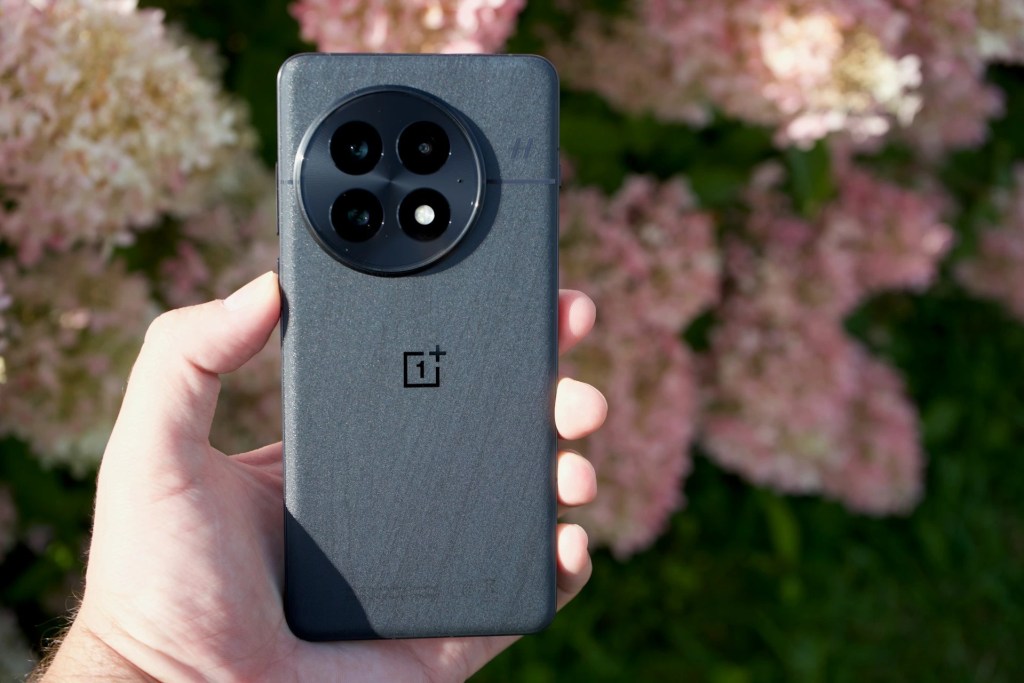
OnePlus built its entire identity on being the underdog that punched above its weight. The “Never Settle” brand that sold flagship killers with a cult-like following is now, quietly and without fanfare, being folded into the same organizational roof as Realme, a company that targets the complete opposite end of the market. Digital Chat Station on Weibo reported that “OnePlus and Realme have officially merged,” with both brands combining their global and domestic China operations under a new “sub-product center.” And if you’ve been following the story, this is not exactly a surprise — but it still stings.
I’ve been following this for a while, and honestly, the pace at which things have unraveled at OnePlus in 2026 has been something else entirely. Let me break down what actually changed, what it means, and what probably comes next.
1. A New Sub-Product Center Now Leads Both OnePlus and Realme
OnePlus and Realme are merging their product and marketing departments into a unified division led by Li Jie, who reports directly to Pete Lau. This new entity, referred to as a “sub-series product center,” is designed to handle product development for both brands across domestic Chinese and international markets. Wang Wei, who previously served as Realme’s VP, has been appointed as deputy general manager, working directly under Li Jie.
What this means in plain terms: the people who designed your OnePlus flagship and the people who designed a budget Realme phone are now sitting in the same room, working toward the same goals. In my opinion, that single fact tells you more about the future of these two brands than any press release ever could.
2. The OnePlus Merger Unifies Marketing Under One Roof Too
It’s not just product development that is being centralized. The marketing and service sides of both businesses have merged into a new sub-business unit, with Realme founder Li Bingzhong named as head of the business, and Xu Qi responsible for marketing and service for both OnePlus and Realme.
What I find interesting here is that Realme’s founder is now effectively overseeing a division that includes OnePlus — a brand that always positioned itself as the premium option above Realme. The power dynamic within the merger is not exactly equal, and that says a lot about where OnePlus stands in the eyes of its parent company right now.
The report also mentions that OnePlus and Realme are to put additional emphasis on “the reuse of product lines,” which likely means we will not see such drastic hardware differences between flagships like the OnePlus 15 and their Realme counterparts going forward. If you were hoping OnePlus would keep its distinct premium identity, this is the part of the story most people are sleeping on.
3. This Is the Latest Step in a Longer Oppo Consolidation
The OnePlus merger with Realme did not happen in a vacuum. Around the same time as reports of OnePlus scaling back, Oppo also re-merged Realme, which previously operated independently, back into Oppo’s tighter corporate structure. So the sequence is clear: Realme was pulled under Oppo’s umbrella first, and now OnePlus is being merged with Realme under that same structure. Oppo is essentially consolidating all of its smartphone sub-brands into one controlled operation.
After looking into this more closely, I can tell you that this is not a story about two brands becoming one exciting super-brand. It is a story about a parent company looking to cut costs, eliminate duplicated teams, and survive an increasingly brutal global smartphone market. The smartphone market in 2026 is facing serious turbulence, with component shortages and rapid price increases, especially in memory, driven partly by the AI boom.
4. OnePlus’s Global Presence Was Already Collapsing Before the Merger
The OnePlus merger news lands on top of months of bad news for the brand globally. Tipster Yogesh Brar reported that OnePlus would shut down in the US, the UK, the EU, and most other global markets while continuing to operate in China and India, with India shifting toward budget and mid-range devices. OnePlus initially denied those reports, but the evidence kept building.
Back in 2020, OnePlus had already severely reduced European operations following Carl Pei’s exit, and since then, the company built closer ties with Oppo, with Pete Lau moving into a Chief Product Officer role at Oppo. When I first heard about this restructuring at the start of the year, I didn’t think much of it. After digging in deeper, I changed my mind completely. This is not a company that is pivoting — it is a company that is being absorbed.
OnePlus employees in the US and Europe have been announcing departures on LinkedIn, with the company reportedly pulling out of North America and Europe entirely. The OnePlus Watch 4 did show up recently, but without pricing, a launch timeline, or any confirmed global plans attached to it.
What Most Articles Missed
What most coverage glossed over is a striking detail buried in the secondary report: Outside the US, Oppo will likely take over flagship offerings, with OnePlus focusing more on gaming and Realme focusing on mid-range and budget phones. If accurate, that represents the complete dismantling of OnePlus’s flagship identity, which was always the beating heart of the brand. The “Never Settle” slogan was built on the premise of delivering the best hardware for the money, not on mid-tier gaming phones.
5. The Future of Both Brands Remains Genuinely Uncertain
Sources suggest the OnePlus brand name will survive in some form, but the version of OnePlus that enthusiasts loved — globally competitive, independently ambitious, premium-focused — is unlikely to come back in any meaningful way. Industry insiders hint that Oppo’s long-term goal is to have a single coherent product strategy across all its sub-brands, which would functionally reduce OnePlus to a marketing label rather than a distinct phone maker.
Taken alongside earlier reshuffle reports, the OnePlus merger suggests Oppo could be gradually unifying its ecosystem to stay competitive while keeping brand identities intact on the surface. For now, both brands are still expected to launch products separately. Realme has a presence in Europe and several global markets, but it does not have a foothold in the United States, and that US gap could remain unfilled for a long time.
Personally, I think the real loss here is what OnePlus meant to consumers who genuinely could not afford Apple or Samsung prices but wanted a phone that did not feel like a compromise. Realme’s value-segment focus is a different proposition entirely, and merging these two brand philosophies under one product center is a difficult needle to thread. If the current trajectory holds, it looks like the OnePlus we knew will exist mostly in name only within the next year or two, with Oppo quietly stepping in to handle the premium tier in markets where OnePlus once thrived.
The OnePlus merger is one of those corporate moments that feels inevitable in hindsight, even if it was hard to see coming. For loyal fans who stuck with the brand through every iteration of OxygenOS, every “flagship killer,” and every “Never Settle” campaign, this is a genuinely difficult development to process. What comes next from this unified Realme and OnePlus product center will be the real test of whether anything worth caring about survives the consolidation.


