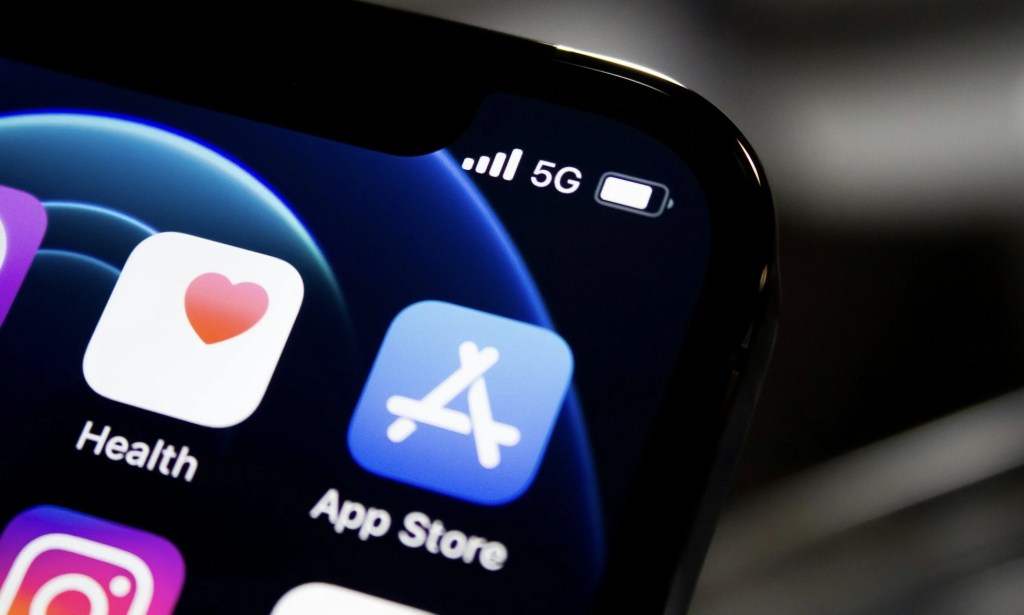
Apple just quietly changed how developers can charge you for apps, and most people have no idea what it actually means for their wallet. The company has announced a new billing model for App Store subscriptions: monthly payments tied to a 12-month commitment. At first glance, it sounds like a consumer-friendly move. And in some ways, it is. But there is a detail buried in Apple’s announcement that has gone almost completely unnoticed, and it tells a much more complicated story.
What Are App Store Subscriptions With a 12-Month Commitment?
To understand what Apple is doing here, you need to know the difference between how subscriptions have worked until now and what is changing. Previously, if you wanted a discounted rate on an app, you had two choices: pay month to month at the standard price, or pay a lump sum annually at a reduced rate. Apple’s new model introduces a third option. Developers can now offer monthly App Store subscriptions that carry the lower, annual-style pricing, but users pay in 12 separate monthly installments instead of all at once.
A simple way to think about it: if an app costs $10 per month or $100 per year, the new option might let you pay roughly $8.33 a month across 12 months, reaching the same $100 total. You get the annual discount without having to drop $100 on day one. That is the core pitch, and honestly, for users managing tight monthly budgets, it is a genuinely useful option. I’ve been following Apple’s subscription strategy for a while, and this is one of those changes that sounds small on paper but has real implications for how millions of people pay for software.
The Cancellation Rule Most Coverage Got Wrong
Here is where things get more nuanced, and what I find interesting is how few outlets clearly explained this part. If you cancel your subscription under this new model, you are not immediately off the hook. Cancellation stops the subscription from renewing after you have completed all 12 agreed-upon payments. In other words, you can cancel, but you are still responsible for every monthly payment in the current commitment cycle.
This makes it structurally similar to a phone contract rather than a typical streaming subscription. You commit, you pay monthly, and early cancellation only blocks the auto-renewal after the term ends. It is not a trap by any means, but it is worth being fully clear on before signing up. Apple does add one genuinely helpful transparency layer here: users can view the number of completed and remaining payments directly inside their Apple Account. The company will also send email notifications and optional push notifications ahead of upcoming renewals.
Where App Store Subscriptions Are Launching First
Developers can already start building and testing this new subscription type inside App Store Connect and Xcode today. The public rollout is tied to iOS 26.5, which Apple plans to release in May 2026. Importantly, the feature will work for users running iOS 26.4 or later, meaning you do not have to wait for the day-one update to access it once it goes live.
The rollout covers iPhone, iPad, Mac, Apple TV, and Vision Pro. Notably, watchOS is not on that list, which is a small but telling detail about where Apple sees its primary subscription activity happening. After looking into this more closely, I can tell you that this feels like a very deliberate, platform-specific rollout rather than an oversight.
The Real Story: Why Are the US and Singapore Excluded?
This is the part of the story that most articles are sleeping on. Apple has confirmed that monthly App Store subscriptions with a 12-month commitment will not be available at launch in the United States or Singapore. Apple’s official press release offers no explanation for this exclusion and no timeline for when these two markets will gain access.
Observers have suggested the exclusion likely reflects ongoing regulatory or billing compliance reviews in both regions. The United States has seen significant antitrust pressure on Apple’s App Store practices in recent years, and Singapore has its own set of consumer protection laws that govern subscription commitments and auto-renewals. When I first saw this detail, I assumed it was a minor footnote. After digging in deeper, it became clear it is arguably the most important detail in the entire announcement. Apple is essentially launching a contract-style billing model in most of the world while quietly leaving out its largest and most scrutinized market.
Industry insiders suggest that Apple may be working through regulatory pre-clearance requirements in the US before rolling out the feature there, and many believe the American launch could follow within a few months of the global release. Sources familiar with Apple’s compliance process hint that the company wants to be deliberate about how commitment-based subscriptions are presented to American consumers given the current antitrust environment.
What This Means for App Store Subscriptions Going Forward
From a developer perspective, this change is straightforward and appealing. Longer commitment periods reduce subscription churn, which is one of the biggest challenges for any software business. If a user commits to 12 months upfront in their decision-making, that is a subscriber who is likely to stick around long enough to see the value in the product. For smaller indie developers especially, that kind of predictable revenue can be transformative.
For users, the honest assessment depends entirely on how the option is presented at the point of purchase. If the commitment structure is made crystal clear, this is a legitimate affordability tool. If it is buried in fine print, it is the kind of thing that will frustrate people who did not realize they signed a contract when they tapped “subscribe.” Apple’s push notification and email reminder system is a step in the right direction, but the real test will be how developers actually implement the UI around these App Store subscriptions.
If the current trajectory holds, it looks like this model will become a standard third tier across the majority of major App Store apps within the next 12 months. Subscription-heavy categories like productivity, fitness, and creative tools are the most likely early adopters. The broader implication is that Apple is not stepping back from a subscription-first economy. It is building a more sophisticated infrastructure to bring more users into longer commitments at a lower monthly barrier to entry.
The new App Store subscriptions model is genuinely useful for users who want annual pricing without the upfront cost. But the exclusion of the US and Singapore is a signal that there is more to this story than Apple’s polished announcement language suggests. Watching how that regulatory question resolves will tell us a lot about where App Store subscriptions are headed next.


