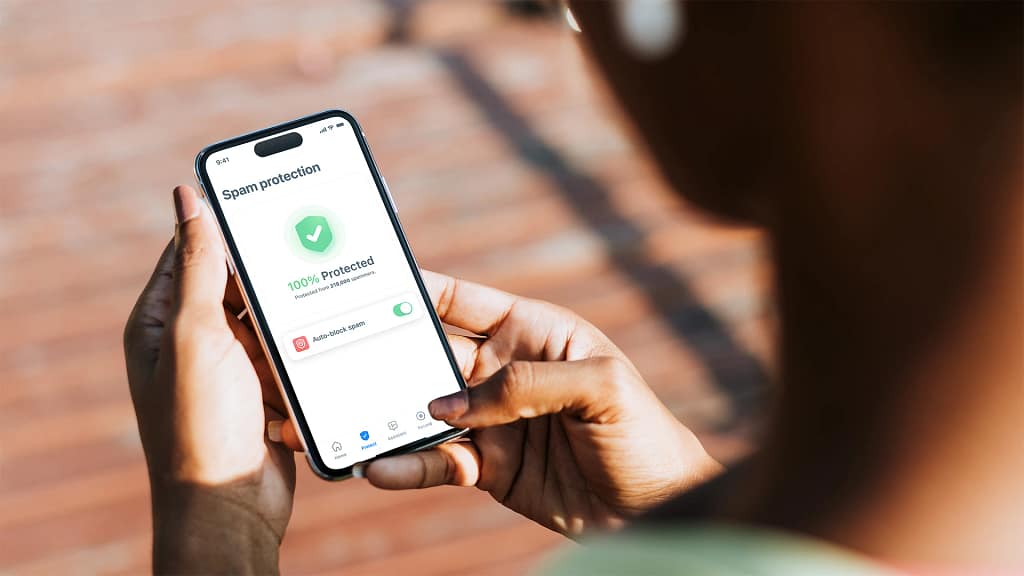
Imagine this: your grandma picks up a shady call from a fake cop threatening “digital arrest,” but before she spills any details, your phone buzzes with an alert, and you tap once to hang it up from miles away. That’s the game-changer Truecaller rolled out worldwide on March 11, 2026, with their Family Protection feature, now live after pilots in Sweden, Chile, Malaysia, and Kenya. Over 450 million users strong, it lets one family admin safeguard up to five members—could be relatives, friends, or even coworkers—without spying on private texts or non-spam calls.
In my opinion, this moves scam defense from lone wolves to pack protection, perfect for watching over parents who overlook subtle tricks. I’ve got the deep dives on overlooked bits, solid rumors, and forward-looking predictions to keep you in the know.
Admin Dashboard Delivers Real-Time Insights
Setting up as admin gives you a clean dashboard tracking member phone status—like if they’re walking, driving, on low battery, or silenced—helping you pick the right moment to step in. This builds on Truecaller’s core by sharing scam alerts instantly so you know when a fraud call rings their device without needing constant check-ins. Grant access once via the app, and these vitals flow securely, respecting privacy by hiding all legit conversations.
From my experience juggling family phones, this status view cuts down on frantic calls during busy times, like drives or meetings. Rishit Jhunjhunwala, now Group CEO, has noted how everyone knows a scam victim, driving features like this to make safety a group effort.
Blocklists Sync Protection Across Devices
Admins build tailored blocklists for specific numbers or whole country codes, which push out to every group member right away for uniform defense. Truecaller’s massive community database backs this, auto-updating with confirmed fraud reports from its 450 million users detecting 63 million scams daily.
Target codes like +92 for certain IRS impersonators or +44 for bank fakes get nuked group-wide, creating a shared shield stronger than individual lists. I believe this crowd-powered sync turns one smart block into family-wide armor, evolving with real-time threats. In India alone, where 7.7 billion fraud calls hit last year, this scales massively for households.
Remote Call Control Saves the Day on Android
Android users get the killer perk: admins remotely end scam calls before they connect, using pre-granted permissions for quick taps. See a fraud label flash on a family member’s screen? Hang it up and send a note explaining the block, turning mishaps into quick lessons. The permission process starts simple—one-time setup where members approve remote access through a secure family invite link, ensuring only trusted admins hold the reins without ongoing prompts.
Over weeks, those post-block notes stack up like a personal scam playbook, showing patterns such as repeated “bank emergency” fakes so the whole group spots them faster next time. iOS sticks to alerts for now, but the gap highlights Android’s lead in hands-on control. In my opinion, this remote power shines for non-techies in the family, preventing slip-ups during high-pressure scams.
Activity Monitoring Helps Time Interventions Perfectly
Beyond calls, the dashboard shows if a member’s phone is in silent mode or low on juice, so alerts land when they’ll actually see them. This subtle layer ensures notifications don’t buzz during sleep or drives, maximizing real protection without annoyance. Tie it to scam surges, and you intervene at peak vulnerability, like evenings when fraud peaks.
Experts predict this awareness boosts alert response rates, drawing from pilot feedback across four markets. From my experience, these checks make family tech feel thoughtful, not intrusive. I believe future tweaks will add location-aware pauses, like skipping alerts during workouts or commutes to avoid overload.
Premium Family Unlocks Advanced Layers
Jump to Premium Family for five users, and you score auto-reject on risky lines, zero ads, and deeper spam filters that handle international ghosts effortlessly. This upgrade path eyes steady revenue while giving groups top-tier tools, with pilots showing strong interest in bundled safety. Premium admins tap priority notifications during fraud waves, pulled from global patterns so you’re the first to act when fraud spikes hit your region.
I believe this model hooks families long-term, especially as free basics tease the power. Many believe subscriber families double by 2027 amid rising threats. From my experience with app upgrades, the ad-free flow alone makes daily use smoother for busy households.
AI Foundations from Voicemail to Future Fraud Busting
Truecaller’s India voicemail AI, live since late 2025, transcribes missed calls in multiple regional languages with spam filters and speed controls—now the blueprint for Family Protection smarts. It stores notes locally for privacy, summarizing “bank urgent” voicemails to flag risks before admins act. Building on this, future AI could scan live calls for “digital arrest” keywords, auto-hanging or alerting based on scripts.
Sources suggest voice deepfake detection joins soon, verifying tones against known family voices. In my opinion, this local AI edge dodges cloud privacy woes while scaling group protection. Experts predict it evolves to predict scam patterns from group call histories, making blocks proactive.
CNAP Threat Pushes Truecaller to Innovate
India’s CNAP rollout, approved by TRAI, flashes verified caller names via carriers, challenging Truecaller’s name ID by going official. But CNAP lacks spam scoring, blocks, or community insights—Truecaller layers those on top for full fraud fights. Family Protection thrives here, offering what networks can’t: remote hangs and group shares beyond basic names.
Experts predict Truecaller partners with CNAP providers, blending databases for unbeatable accuracy. It is rumored that hybrid modes launch in Q2 2026, cementing the app’s lead. I believe this forces Truecaller to double down on AI, staying steps ahead of basic carrier tech.
Rumors and Roadmap Ahead
With global expansion locked in, including full India push, pilots proved the concept amid household scam rises. Truecaller’s 450 million base spots 63 million frauds daily, fueling data for sharper alerts. Sources suggest SMS shielding rolls out next, auto-zapping “pay now” links across groups.
Many believe bank tie-ups add verified alerts, merging calls with transaction watches by late 2026. It is rumored that iOS catches up with remote call-ending by mid-2026, closing the platform gap after user demand. Experts predict Truecaller expands Family Protection to wearables and smartwatches as a next-gen alert channel, buzzing wrists during silent modes.