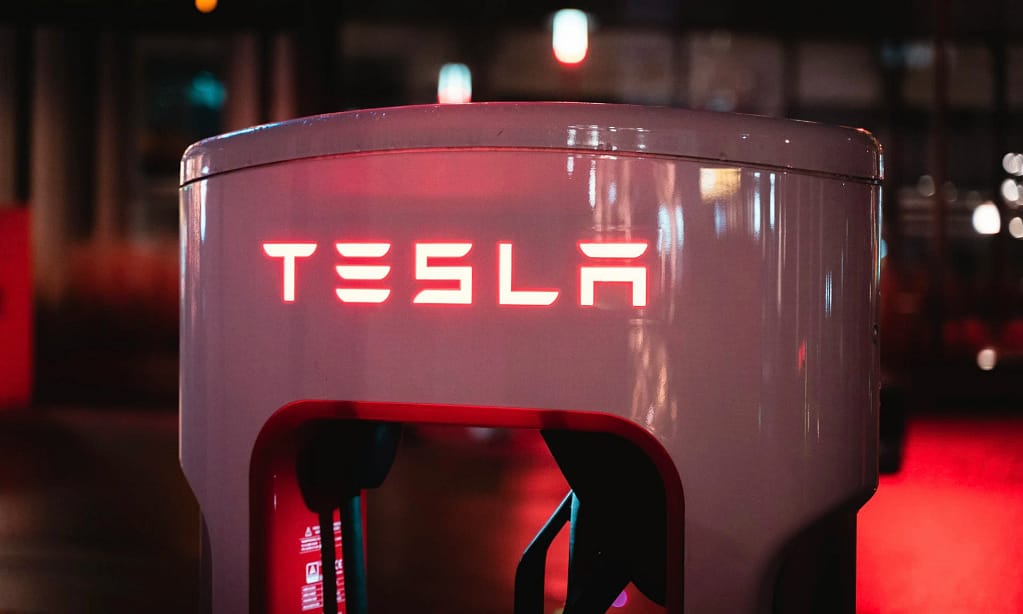
Tesla Inc. has reached a pivotal settlement with the California Department of Motor Vehicles (DMV). The DMV issued a 30-day suspension of the company’s sales and manufacturing licenses that was subsequently stayed pending compliance. Tesla avoided this penalty by removing the term “Autopilot” from its California marketing materials. This agreement allows Tesla to maintain operations in its largest US market without interruption. The resolution came after years of regulatory scrutiny over claims about the company’s driver assistance systems.
The dispute traces back to 2021 when the DMV launched an investigation into Tesla’s advertising practices. Regulators argued that terms like “Autopilot” and “Full Self-Driving” misled consumers into believing the vehicles operated autonomously. Tesla had already rebranded “Full Self-Driving” to “Supervised” to emphasize the need for constant driver supervision. However, the company retained “Autopilot” in its promotions until this recent change. A DMV administrative law judge ruled in late 2025 that the marketing constituted deceptive practices, recommending the license suspension.
The DMV granted Tesla a 90-day grace period to address the violations before enforcing penalties. Tesla complied swiftly by eliminating “Autopilot” references from all California-facing advertisements and vehicle descriptions. This corrective action satisfied the regulator’s demands, leading to the case closure on February 17, 2026. DMV Director Steve Gordon confirmed Tesla’s compliance, stating the agency maintains strict standards against misleading safety claims that could endanger public roads.
Tesla’s broader strategy played a key role in this outcome. As of January 23, 2026, the company removed Autosteer—the lane-centering feature previously bundled as standard Autopilot—from new vehicles sold in the US and Canada. Buyers now receive only Traffic-Aware Cruise Control (TACC), a basic adaptive cruise system. Access to advanced features requires subscribing to Full Self-Driving Supervised, which costs $99 USD per month. This shift from an $8,000 one-time fee to a subscription model reflects a broader industry move toward recurring software revenue.
CEO Elon Musk anticipates this transition will bolster recurring revenue streams. Tesla aims for 10 million active Full Self-Driving subscriptions, a milestone tied to executive compensation. The change not only resolves the California issue but also aligns marketing with the technical reality of Level 2 automation. These systems assist with steering and braking but demand full driver attention at all times. This regulatory alignment seeks to bridge the gap between consumer perception and current limitations, reducing misuse-related risks.
Background of the Regulatory Probe
The DMV filed formal charges against Tesla in November 2023. Investigators cited website language suggesting Autopilot could handle cross-country drives without driver input—a capability the technology lacks. Hearings unfolded in July 2025, where Tesla defended its terminology as accurate for supervised use. Regulators countered with evidence of crashes linked to overreliance on the features, highlighting public safety concerns. The judge’s recommendation for suspension underscored California’s commitment to truthful advertising in advanced driver assistance systems.
Tesla’s compliance demonstrates effective negotiation with state authorities. California represents a critical market, accounting for a significant share of US EV sales. A 30-day halt could have disrupted deliveries and damaged investor confidence. Tesla shares initially fell on suspension news but recovered following the positive resolution. This outcome shows how proactive rebranding can avert severe penalties without halting operations.
Implications for Safety and Marketing
Clear labeling matters for road safety. Misunderstandings about automation levels have contributed to incidents where drivers became inattentive. The National Highway Traffic Safety Administration (NHTSA) has investigated multiple Tesla crashes involving Autopilot. California’s action sets a precedent, pressuring other automakers to refine their own terminology for features like GM’s Super Cruise or Ford’s BlueCruise. Honest descriptions help drivers stay engaged and reduce accident rates.
The resolution signals a new era for Tesla, where marketing must finally align with the functional reality of Level 2 autonomy. Tesla’s pivot to a Software-as-a-Service (SaaS) model for autonomy features positions it for long-term growth. Monthly fees create steady income as software improves through over-the-air updates. Insurers benefit from data showing lower crash rates with proper usage, potentially lowering premiums for vigilant owners.
Strategic Outlook for Autonomous Marketing
Tesla emerges stronger from this regulatory challenge, continuing to innovate while adapting to oversight. Federal guidelines remain underdeveloped, leaving states like California to pioneer standards that Europe and China may follow. Safety advocates call for standardized testing, while Tesla pushes for streamlined approvals to accelerate robotaxi deployment. Consumers gain from precise information that builds trust in the growing EV market. Families feel confident knowing vehicle limits upfront as driver aids evolve toward higher autonomy levels.