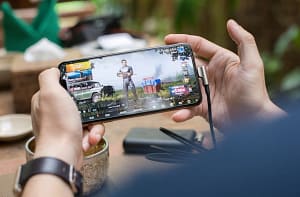
Meta announced a major strategic shift for Horizon Worlds in February 2026, moving the platform away from virtual reality headsets toward mobile devices. This decision reflects years of heavy investment in VR with limited consumer uptake. Horizon Worlds will now prioritize phone and web access, integrating with Facebook and Instagram to reach billions of users. VR support continues separately for Quest hardware, but the shared metaverse vision ends. Reality Labs reported cumulative losses of $83.6 billion since 2020, including $19.19 billion in 2025 alone, prompting this focus on scalable platforms.
Details of the Horizon Worlds Transition
Horizon Worlds originally enabled synchronous 3D social interaction, multiplayer gaming, and real-time communication through Quest headsets. On February 20, 2026, Meta separated the mobile/web version from VR entirely. Mobile users can now access simplified 3D spaces via the Meta Horizon Engine, a new tool for developers to create games that run across devices without rework. Quest retains a dedicated store for third-party titles, but no cross-platform metaverse linking. Meta VP Samantha Ryan stated this allows each format to optimize for its audience—billions on phones versus niche VR gamers. The change acknowledges that broad social experiences thrive on familiar hardware, not specialized gear.
Financial Pressures Driving the Change
Reality Labs’ spending drew investor scrutiny after consistent losses outpaced revenue. The division cut 30% of its budget for 2026, following 1,500 layoffs in January—10% of staff. Meta closed studios like Sanzaru Games (Asgard’s Wrath), Armature Studio (Resident Evil 4 VR), and Twisted Pixel Games to streamline operations. Acquired fitness app Supernatural from Within entered maintenance mode, halting new content. Horizon Workrooms shut down on February 16, 2026, ending VR office tools. Commercial Quest sales and Meta Horizon Managed Services (HMS) ceased February 20. These moves signal a retreat from high-stakes capital allocation toward unproven immersive environments, favoring measurable returns.
Why Mobile Over VR Now
Consumer adoption faced significant friction due to hardware ergonomics and a lack of killer social applications for daily use. Phones dominate social time—Instagram and Facebook log billions of hours monthly. Horizon Worlds on mobile taps this by letting users drop into 3D hangouts from any browser or app. The Horizon Engine supports synchronous play across mobile, web, and optional VR, easing developer work. Meta now competes on platforms users already own, like Roblox with 80 million daily actives or Fortnite’s social hubs. Building a new ecosystem proved too slow against these giants.
Competitive Landscape Pressures
Roblox thrives with user-generated worlds on phones and PCs, drawing 80 million daily users through easy creation tools. Fortnite blends gaming and social features across devices, hosting virtual concerts for millions. Meta’s early metaverse push aimed to leapfrog both but faltered on headset barriers—Quest sales lag far behind iPhone volumes. This pivot lets Horizon chase Roblox-style growth via Instagram logins, where friends lists convert to players instantly. No need for new hardware; leverage existing networks for scale. VR stays for enthusiasts, but social bets go mobile-first.
Impact on Developers and Creators
Creators built dozens of Horizon Worlds experiences, from concerts to clubs, expecting a thriving VR economy. Studio closures disrupt this—Sanzaru’s epic RPGs and Twisted Pixel’s quirky titles won’t get sequels. Meta’s Creator Fund now pushes mobile-first incentives, paying for phone-optimized worlds over VR exclusives. Developers gain from the Horizon Engine’s cross-platform tools, porting content faster. However, redesigns cost time, and VR-only builders face audience shrinks. The fund prioritizes viral mobile hits, mirroring Roblox’s success model. This rewards adaptable talent amid the shift.
AI Steps In for New Horizons
Meta redirected funds to AI after VR shortfalls, launching Llama 4 models for advanced generation. In Horizon Worlds, AI lets users build virtual spaces via voice commands—”add a beach bar”—skipping manual coding. This powers mobile creativity, where anyone crafts rooms on the fly. Smart glasses get AI overlays too, blending real and digital without full immersion. Generative tools could spark user growth, creating shareable worlds for Instagram Stories. This suggests a long-term strategic deprioritization of full-immersion social networking, favoring augmented helpers.
What Stays for Quest Users
Quest owners keep full access to games and the store—no content vanishes overnight. Meta plans niche headsets for fitness or pro training, where VR excels. Existing HMS setups run free until 2030 for some fleets. The era of unchecked experimental spending has ended, replaced by fiscal discipline and ROI focus. Gamers enjoy high-end titles; businesses pivot to alternatives like Apple’s ecosystem.
Broader Lessons for Tech
Meta’s journey highlights risks in hardware moonshots. VR suits gaming and sims but struggles as social hubs—weight, battery, and motion sickness deter casuals. Mobile-first wins scale; AI enhances without isolation. Competitors like Apple refine Vision Pro for work, not play. Roblox proves platforms succeed via content, not gear. Meta joins this reality: evolve or shrink budgets. Horizon Worlds lives on phones for power users.
Path Forward
Watch for Horizon Engine demos and Llama-powered builds soon. Creator Fund details drop next month. Quest 4 rumors point to lighter designs. Meta learned fast—build where users live, not lure them elsewhere. Social futures blend AI, mobile, and light AR, not VR escapes. Dive into Mobile Horizon for a taste of what’s next.