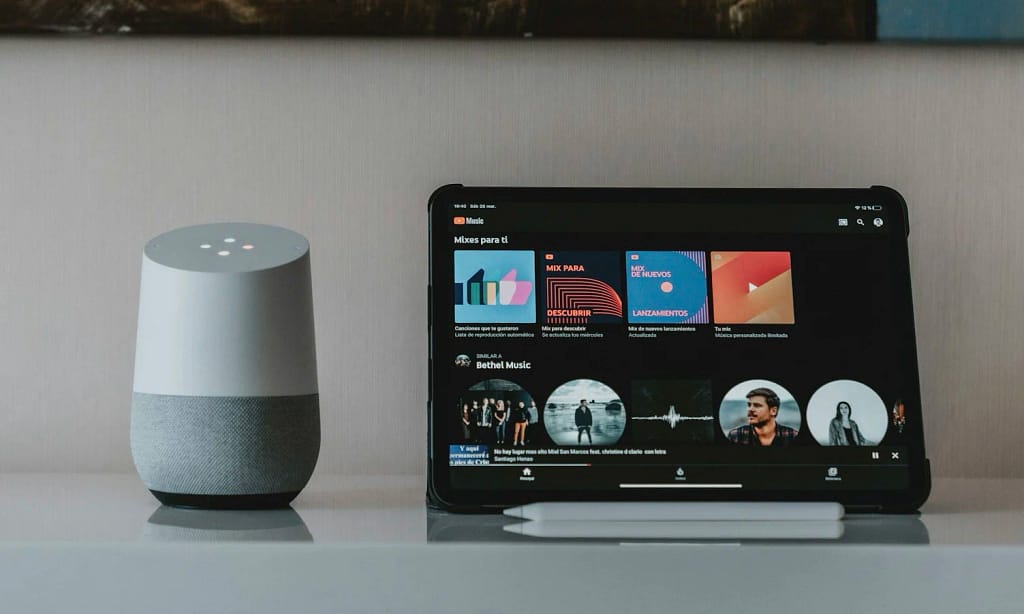
That frustrating moment when you’re deep into a killer playlist on your phone during your morning commute, finally sit down at your desk, open YouTube Music sync on your laptop, and… the queue has vanished? Your carefully curated vibe—gone—and you’re left frantically rebuilding the list or hunting for that one track you were loving. This isn’t just annoying; it’s a mood killer that millions of YouTube Music users face daily. While Spotify and Apple Music have offered seamless cross-device queue sync for years, YouTube Music desperately needs to catch up with bidirectional Android/iOS/web queue syncing. Here’s why this feature would transform the service and how users are begging Google to make it happen.
The Daily Pain: Why Queue Fragmentation Hurts
Right now, YouTube Music treats each device as its own isolated island. Start an album on your Android phone? Switch to an iOS tablet? The queue resets to a blank mini player. Open the web app at music.youtube.com. Forget about picking up where your phone left off consistently. What started as a one-way sync from mobile to web in late 2024 (rolling out to premium users in select regions) remains painfully inconsistent, leaving heavy multi-device users in playback purgatory.
Imagine this all-too-common scenario: You’re powering through a 3-hour workout playlist on your phone at the gym. Halfway through, you grab your laptop for work and want to continue the energy. Instead, YouTube Music forces you to either restart from the beginning or painstakingly recreate the queue. For ADHD brains like mine that thrive on musical momentum, this constant interruption kills focus and flow. Parents juggling kids’ tablets and work laptops face the same chaos—one kid starts a Disney playlist, Mom opens her phone later, and poof, it’s gone.
The technical reality? Google accounts should make this trivial. Playback history already syncs for recommendations, offline downloads work per device, and the web miniplayer persists tabs since 2024 improvements. Yet queues remain stubbornly siloed. Reddit’s r/Youtube Music has been pleading for years: “How to sync music across devices?” threads from 2020 still get traction, with users sharing desperate workarounds like casting or playlist duplication.
What Users Are Saying: The Groundswell for Sync
The r/YoutubeMusic community doesn’t hold back. When September 2024’s one-way mobile-to-web sync rolled out, user Osiris_X3R0 noted, “Casting works fine, but true bidirectional sync across all devices would be life-changing.” 2025 wishlists are exploding: “I just want to pick up gym sessions at my desk!” The pain points are universal—commuters bouncing phone-to-laptop, families sharing tablets, and travelers switching from airport web to inflight phone.
Tech creators like Brent Tech have had to make tutorials explaining profile verification just to get basic history sync working but beg for queue continuity. Chrome Unboxed captured the sentiment perfectly: “If you bounce between phone and desktop daily, even partial sync makes life simpler than the full version.” Android Police called the 2024 update a “welcome Premium perk” but noted the glaring gaps: no exact position syncing (songs restart from the beginning), no toggle controls, and iOS/web limitations. Users want precision—Spotify’s exact-second handoffs and Apple Music’s ecosystem seamlessness. YouTube Music’s deep YouTube integration for recommendations remains unmatched, but basic continuity lags competitors badly.
Why Cross-Device Queue Sync Would Transform YouTube Music
Music isn’t just background noise; it’s emotional glue for our fragmented lives. Queue sync would fix so many human moments:
The Commute-to-Desk Flow: Your morning run playlist paused halfway through and loads instantly on your work laptop. No jarring restart was preserved. The evening phone picks up the day’s web session seamlessly.
Family and Shared Devices: Kids start a Disney or Kid Bop playlist on the tablet. Parents continue it on the phone during car rides without rebuilding. One family library, zero friction.
Multi-Device Workflows: Gym phone sessions flow to home tablet wind-downs and work web deep-focus blocks. ADHD users like me thrive when musical momentum stays unbroken across screens.
Travelers and Remote Workers: The airport lounge web player catches your flight-time phone queue perfectly. Remote teams share collaborative playlists that persist across corporate laptops and personal phones.
The beauty? This requires zero new hardware—just smarter Google account cloud syncing. Playback history already feeds library recommendations; extending it to live queues seems like low-hanging fruit. Premium users (100M+ globally) would see instant retention boosts—fewer cancellations from frustration.
The Evolution So Far: Progress, But Not Enough
YouTube Music’s sync journey shows promise mixed with maddening delays:
- Pre-2024: Complete device silos—zero queue continuity.
- September 2024: One-way mobile-to-web sync for Premium users in the US/UK/Canada. persists after the tab closes; PWA improvements help.
- Current Reality: Inconsistent rollout, iOS gaps, no bidirectional flow, song positions reset to start.
YouTube’s recent roadmap teases exciting features—AI-powered lyrics sharing, customizable TV multiview, and redesigned Now Playing interfaces. Queue sync feels like table-setting for this ecosystem push, helping YouTube Music close gaps with Spotify’s exact-position handoffs and Apple Music’s iCloud magic.
Technical Reality: Why It’s Achievable Today
Google already syncs the pieces:
- Google Account Backbone: Playback history and recommendations flow flawlessly across devices.
- Web Miniplayer Persistence: Stays active even after tabs close (refined 2024).
- PWA Support: music.youtube.com/home works reliably as a desktop app.
- Cloud Infrastructure: Handles billions of daily streams; metadata is trivial.
Privacy follows standard Google practices—your listening feeds recommendations but stays within your account. Offline downloads remain per device (storage limits), while sync focuses on online queues.
What users crave beyond basic sync:
- Exact Timestamps: Spotify-style second-precision handoffs, not song restarts.
- Toggle Controls: Protect gym queues from home ballads overwriting them.
- Free Tier Access: Don’t gatekeep continuity behind Premium.
- iOS/Web Parity: Full Android/iOS/web triangle, no platform favoritism.
User Workarounds: Making Do Until Google Delivers
Creative r/YoutubeMusic folks shared hacks:
- Casting: Phone to web/laptop via Chromecast—clunky for music-only.
- Playlist Duplication: Manually recreate queues—defeats purpose.
- Shared Accounts: Family plans help, but device limits frustrate.
- PWA Bookmarks: Pin music.youtube.com/home for persistence.
Tech creators guide verification across devices. YouTube guides demonstrate current “resume” functionality, celebrating partial wins while pleading for more.
The Bigger Picture: YouTube Music vs. Spotify/Apple Music
This isn’t just convenience—it’s competitive survival. Spotify mastered exact cross-device sync years ago, preserving playback position to the second. Apple Music offers flawless iCloud handoffs within its ecosystem. YouTube Music counters with unmatched YouTube video integration for recommendations and discovery, but basic continuity remains a glaring weakness.
Premium’s offline downloads and cross-device history sync provide solid foundations. Full queue sync would rocket retention, especially among multi-screen households and Premium’s 100M+ subscribers. Families benefit most—one shared library ruling tablets, phones, and laptops without interruption.
Challenges persist: Free tier users feel sidelined, constant cloud polling might drain the battery on older devices, and iOS implementation lags Android. Google typically responds to vocal feedback—this feels ripe for iteration.
Personal Impact: How Sync Would Change My Music Life
Let me paint my daily chaos: The morning indie playlist powers my run, paused halfway. The desk laptop should resume instantly—instead, I rebuild frantically. Evening phone catches day’s web session? Mental load spikes, killing unwind vibes. Queue sync eliminates this entirely.
Kids’ tablets loading parent playlists? Family jam sessions flow. Travelers grabbing airport Wi-Fi to catch in-flight phone sessions? Pure bliss. My ADHD brain celebrates frictionless momentum across screens.
I’d happily pay for this alone; bandwidth saved compounds daily.
What YouTube Music Needs to Do Next
Google, here’s the roadmap users demand:
- Full Bidirectional Sync: Android/iOS/web triangle, live everywhere.
- Exact Position Tracking: Second-precision handoffs like Spotify.
- Smart Toggles: Protect specific queues from overrides.
- Free Tier Access: Don’t punish casual listeners.
- Battery Optimization: Efficient polling, offline-first options.
YouTube’s ambitions scream ecosystem focus. Queue sync table sets perfectly, positioning YouTube Music as a multi-device essential.
Join the Push: Tell Google You Want Queue Sync
Check r/Youtube Music and upvote sync requests. Test one-way web sync—verify Google account everywhere. Share your workflow wins.
Until full sync lands, bookmark music.youtube.com/home PWA-style, dismiss stale queues, and embrace casting workarounds.
Music binds our most human moments—commutes, workouts, and family nights. Queue sync preserves emotional continuity across fragmented device lives. No more “damn, where was I?” interruptions.
YouTube Music’s unmatched discovery meets Spotify’s seamlessness? Dream playlist. Google listens to passionate communities—this feels inevitable.